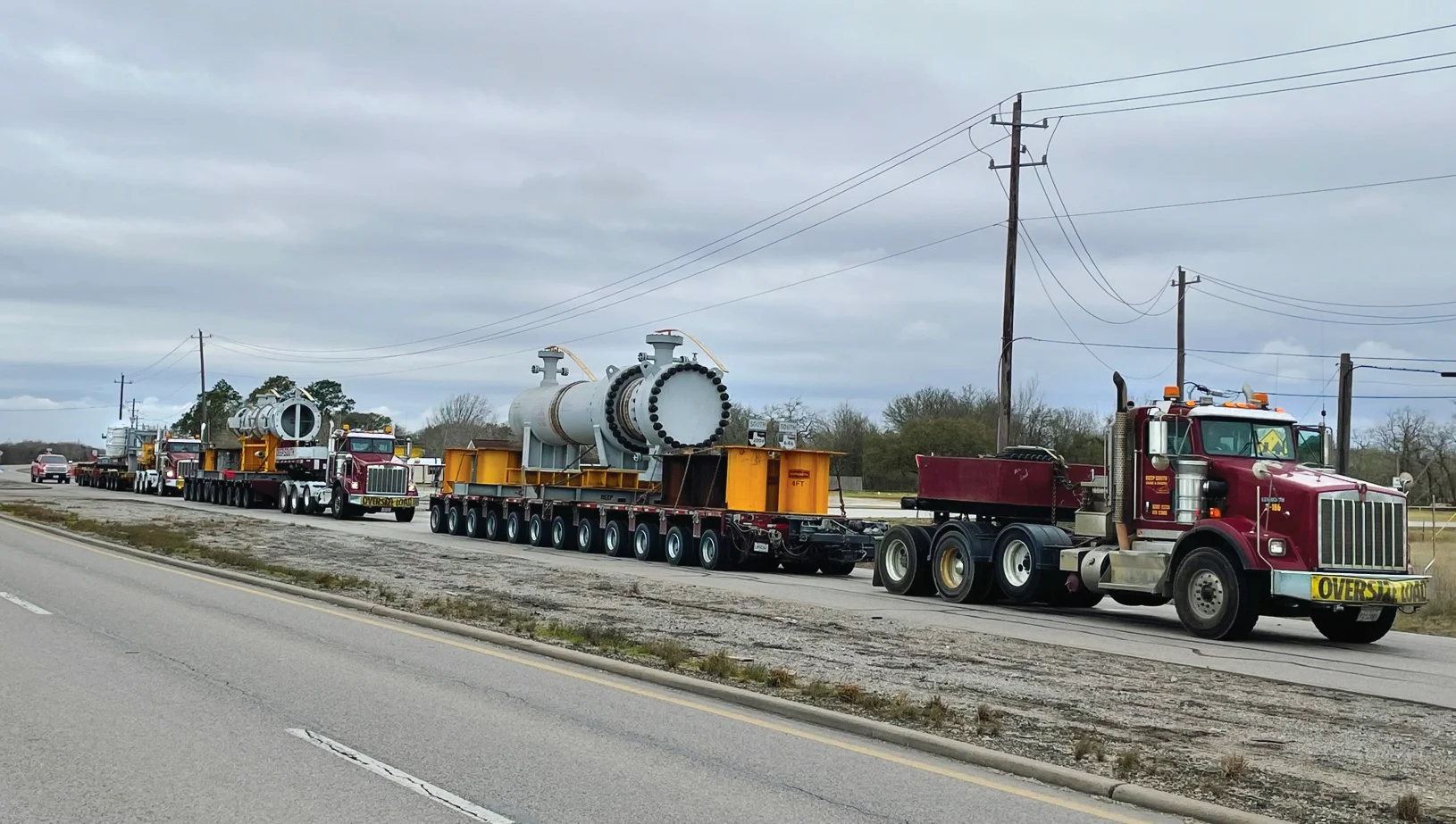
Why Oil and Gas Transportation Requires Specialized Expertise
Oil and gas transportation is high-stakes work. Equipment and materials in this industry are often oversized, heavy, hazardous, or time-sensitive. Moving them safely requires specialized trailers, certified crews, route permits, and strict regulatory compliance.
If you’re new to the topic, our comprehensive pillar guide, Everything You Need to Know About Specialized Freight Transport, explains the core concepts—trailers, permits, and planning—that make complex energy logistics possible. For energy companies, working with experts avoids delays, fines, and safety incidents.
What Makes Oil and Gas Freight Different From Standard Shipping?
Oil and gas freight differs from ordinary freight in several important ways. It often involves hazardous liquids, extremely heavy machinery, and oversized piping that won’t fit on a standard flatbed. These loads demand specialized handling from start to finish.
Hazmat & Safety Requirements
Many oilfield shipments include chemicals or flammable liquids. That means hazmat-certified drivers, proper placarding, and spill-prevention measures. Mistakes here create environmental risk and regulatory penalties.
Size, Weight, and Shape Challenges
Drill rigs, compressors, and long pipeline sections need extendable flatbeds, multi-axle platforms, or lowboys. Each piece requires exact load calculations and securement to avoid shifting in transit.
For concrete examples of complex loads, see 10 Common Examples of Specialized Freight and How They’re Transported, which shows how different energy components are moved safely.
Key Challenges in Oil and Gas Transportation
The energy sector creates logistics challenges that standard shippers rarely face. Understanding these issues helps explain why specialized freight solutions are necessary.
Regulatory Complexity
Oil and gas moves trigger DOT, EPA, and state permit requirements. Experts manage multi-jurisdiction permits and ensure documentation stays current to avoid stops or fines.
Remote & Difficult Access
Many well sites and pipeline corridors are off the beaten path. Road quality, seasonal access, and terrain affect equipment choice and timing. Providers experienced in heavy hauling plan for these conditions to prevent delays.
Time-Sensitive Deliveries
A late compressor or pipe can stop production. That’s why many operators use brokers and carriers familiar with tight energy timelines—read more on why companies prefer specialized freight brokers for complex moves.
Common Types of Oil and Gas Freight
Energy logistics covers a wide range of freight types. Each category needs tailored equipment and handling standards.
Drilling & Rig Components
Drill rigs, blowout preventers, and substructures are large and heavy. These items often move on lowboys or multi-axle trailers due to height and weight constraints.
Pipes, Tubular Goods & Line Material
Pipe shipments are long and heavy. They require extendable trailers and careful bundling to stay secure during long hauls.
Generators, Compressors & Pumps
Power units and compressors are high-value and vibration-sensitive. They move best on air-ride and properly braced platforms provided through heavy equipment transport solutions.
Hazardous Liquids & Chemicals
Tanks and tankers carrying crude, fracking fluids, or chemicals need certified tank trailers and drivers trained in hazmat response and environmental protocols.
For an overview of the specialized transport services that support these moves, see Freight Guru Specialized Services.
How Specialized Freight Experts Support the Energy Industry
Specialized freight experts act as planners, compliance managers, and problem solvers. They bring experience that prevents costly mistakes.
Permit Management & Routing
Experts secure oversize/overweight permits and design legal, efficient routes that avoid low bridges and weight-restricted roads. Their routing work ties directly into the company’s Oversize & Overweight offerings.
Carrier Matching & Equipment Selection
A good provider matches each load to the right trailer—extendable flatbed, lowboy, or multi-axle—plus the right crew for safe handling. This is why companies rely on specialized freight carriers to manage oilfield logistics end-to-end.
On-site Coordination & Safety Protocols
Experts coordinate delivery windows with rig crews, arrange offloading lifts, and follow strict safety checklists. These practices reduce downtime and prevent on-site incidents.
If you want a deeper look at the operational side of expert carriers, read Specialized Freight Carriers: How Experts Move Heavy and Oversized Loads Safely.
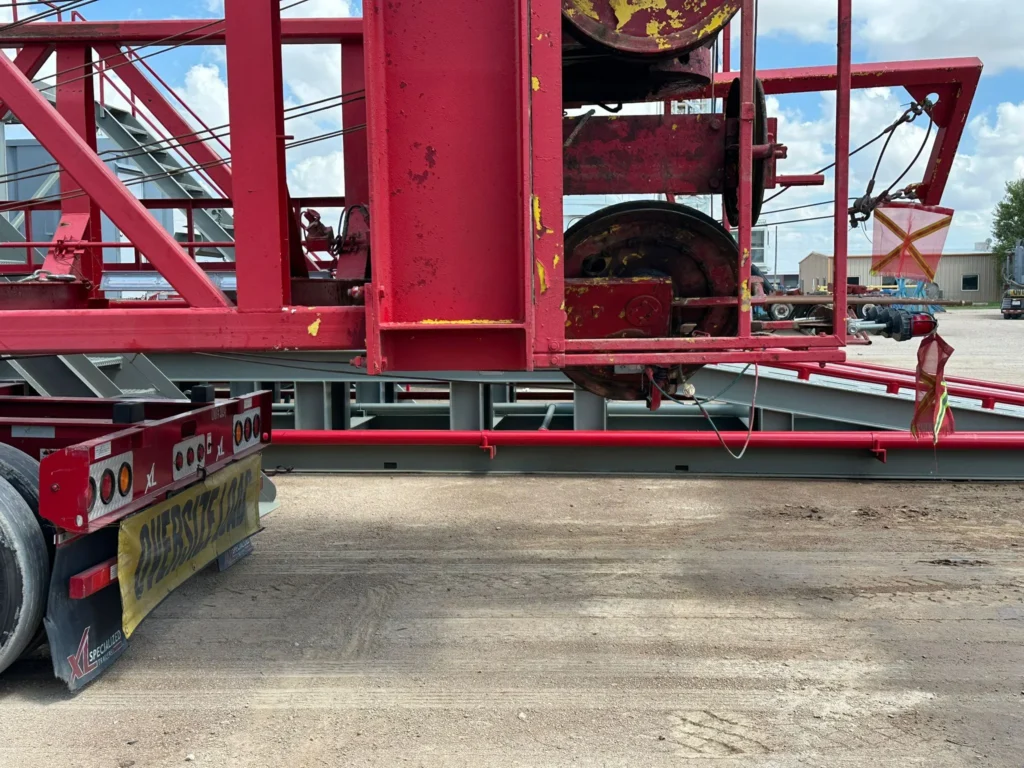
Specialized Equipment Used in Oil and Gas Transportation
Moving oil and gas freight safely requires a diverse fleet. Choosing the right equipment reduces risk and improves efficiency.
Extendable & Lowbed Trailers
Extendable flatbeds carry long pipe and modules. Lowboy trailers lower the load’s center of gravity, useful for tall drilling components.
Multi-Axle & Modular Transporters
For extreme weights, multi-axle platforms spread loads across many axles to meet roadway limits. Modular transporters can reconfigure for unusual shapes.
Tank & Pressure-Rated Trailers
Tanks carrying liquids require specialized containment, pressure controls, and leak-detection systems to meet hazmat standards.
When planning equipment needs, many operators also consider Trailer Transport and leasing options available through equipment services on the Freight Guru site.
Safety and Compliance Requirements
Oil and gas transportation comes with strict safety and compliance expectations. Between hazardous materials, oversized machinery, and specialized pressure-rated equipment, every shipment must follow federal, state, and local guidelines. DOT weight limits, OSHA workplace requirements, and environmental rules all influence how oilfield freight moves from site to site.
Hazardous Materials Standards
Many loads involve flammable or corrosive liquids, so drivers need hazmat training and proper containment systems. Even small errors—such as incorrect labeling or faulty valves—can trigger major delays or penalties.
Oversize Transport Rules
Rig components, compressors, and large machinery must meet escort requirements, axle spacing standards, and daylight travel restrictions. For a deeper look at how transportation pros manage this safely, the guide Specialized Freight Carriers: How Experts Move Heavy and Oversized Loads Safely explains the safety procedures used by expert carriers.
Strong compliance reduces risk, minimizes downtime, and ensures every shipment reaches its destination without costly interruptions.
Route Planning for Oilfield Deliveries
Route planning is one of the most crucial steps in oil and gas transportation. Because many loads are oversized or overweight, traditional routing tools are rarely enough. Transportation teams must assess bridge capacities, road conditions, seasonal restrictions, and hazardous zones before a shipment ever moves.
Managing Height, Weight & Road Restrictions
Pipeline sections and drilling structures often require multi-axle or extendable trailers. These setups create height and weight challenges that limit what roads can be used. Specialists analyze every mile of the route to avoid low clearances, sharp turns, or weight-restricted bridges.
The detailed routing work aligns closely with the solutions offered on the Oversize & Overweight service page, which explains how proper route planning keeps heavy freight safe and compliant.
Escort & Permit Coordination
Oversize loads often require police escorts, pilot cars, or certified flaggers. Route planners secure all necessary permits before drivers hit the road to ensure legal, smooth movement across state lines.
Struggling to Find Reliable Freight Solutions?
The Importance of Last-Mile Delivery in Oilfield Sites
Oilfield locations often sit far from paved highways, making last-mile delivery one of the hardest parts of any transport job. Even if the long-distance haul goes perfectly, rough access roads, uneven terrain, and tight site constraints can create new challenges during the final stretch.
Rough Terrain & Limited Space
Many well sites have muddy paths, steep inclines, or minimal space for turning large equipment. This requires professional drivers trained in maneuvering heavy loads through difficult areas.
Crew Timing & On-Site Safety
Last-mile success depends on coordination with rig crews, crane operators, and site supervisors. The goal is to unload equipment safely and at the exact time production teams are ready.
Heavy energy equipment often requires specialized traction-equipped trucks and lowboys, which is why last-mile projects frequently rely on Heavy Hauling specialists. Their equipment and trained operators handle extreme environments with confidence.
Cost Factors in Oil and Gas Transportation
Oil and gas transportation pricing varies widely due to the size, weight, and complexity of the freight involved. Shippers often underestimate how many factors influence the total cost of moving heavy or hazardous materials.
Permits, Escorts & Insurance
Oversize and hazardous loads require specialized permits, escort vehicles, and additional insurance coverage. These elements add to the cost but are essential for safe, legal transportation.
Equipment Type & Distance
Trailer selection—lowboy, extendable flatbed, tank hauler, or multi-axle platform—greatly affects pricing. Longer distances, rough terrain, or multi-state routes also impact travel time and fuel expenses.
For shippers comparing options, the Freight Shipping service page provides helpful context on how logistics teams structure pricing for different shipping needs.
Choosing the Right Oil and Gas Transportation Partner
Selecting the right transportation partner is one of the most important decisions an energy business can make. Oilfield loads demand experience and precise execution, so choosing a provider with the right capabilities ensures safe, on-time deliveries.
Safety Record & Certifications
Your provider should have a strong safety record, trained drivers, and certifications for hazmat, oversized hauling, and heavy equipment handling.
Equipment Availability & Industry Experience
Oilfield logistics often involve short-notice schedule changes. A dependable partner should have a wide range of equipment—lowboys, extendables, tankers—and a team that understands the unique demands of the energy industry.
To better understand Freight Guru’s background and values, explore the About Us page. And when you’re ready to discuss your project or request a quote, the Contact Us page makes it simple to connect with the team.
Conclusion: Reliable Specialized Freight Solutions for the Energy Sector
Oil and gas transportation requires precision, planning, and industry-specific knowledge. From oversized drilling equipment to hazardous liquids, every shipment demands expert routing, compliant handling, and specialized trailers. With rising energy demands, companies need logistics partners who understand the pressures, deadlines, and safety requirements of oilfield operations.
Freight Guru delivers these solutions with industry-leading expertise, modern equipment, and a deep commitment to safe, efficient transport. You can explore all services and learn more about the company’s specialized capabilities by visiting the Home page.