In Houston’s growing logistics market, choosing the right shipping partner can feel overwhelming. Two of the most common—but often confused—options are freight brokerage vs freight forwarding. While both connect shippers to transportation solutions, their responsibilities and services differ in key ways.
Understanding these differences can help businesses decide when to rely on a freight broker for efficiency and cost savings or when to engage a freight forwarder for end-to-end logistics. In this guide, we’ll explore the roles of each, compare their advantages, and explain how Houston businesses can benefit from the right solution.
What is Freight Brokerage?
A freight broker serves as the intermediary between shippers and carriers. They don’t own trucks or warehouses but use their relationships with trusted carriers to arrange transportation.
Key advantages of working with a freight broker include:
Flexible trucking capacity for seasonal or urgent needs.
Negotiated carrier rates for cost savings.
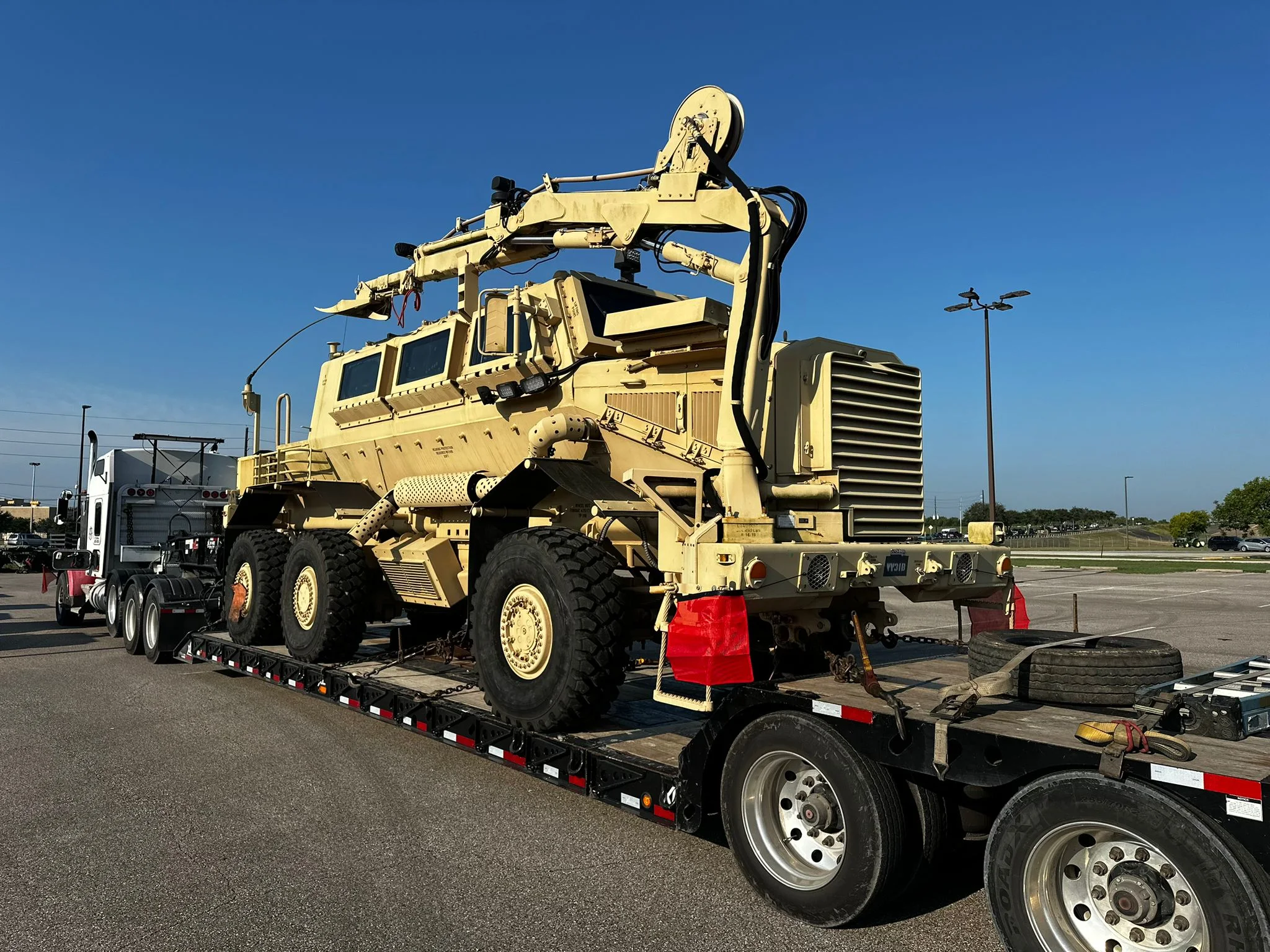
Access to specialized services like heavy hauling and oversize transport.
For shippers new to logistics, brokers offer guidance and transparency, ensuring freight gets from point A to point B without complications. To dive deeper, you can review The Ultimate Guide to Freight Brokerage Services in Houston, which covers how brokers operate and when they deliver the most value.
What is Freight Forwarding?
Unlike brokers, freight forwarders often take more direct control of cargo. They may provide warehousing, consolidation, and customs brokerage for international shipments. Forwarders sometimes physically handle the freight, acting as an extension of your supply chain.
Forwarders are ideal for:
Businesses with international imports or exports.
Shipments that need warehousing or consolidation.
Cargo requiring customs clearance and documentation.
Freight Brokerage vs Freight Forwarding: Key Differences
1. Supply Chain Role
Brokerage: Connects shippers with carriers, focusing on transportation.
Forwarding: Manages multiple aspects of the supply chain, from warehousing to customs.
2. Responsibility for Cargo
Brokerage: Never takes possession of goods; ensures efficient transport.
Forwarding: Often assumes responsibility, sometimes including cargo insurance.
3. Service Scope
Brokerage: Best for domestic, heavy haul, or urgent loads.
Forwarding: Suited for international and consolidated freight requiring documentation.
When to Choose a Freight Broker in Houston
If your company ships primarily within the U.S., a broker may be the best choice. Brokers can quickly connect you to carriers for:
Freight shipping across Texas and beyond.
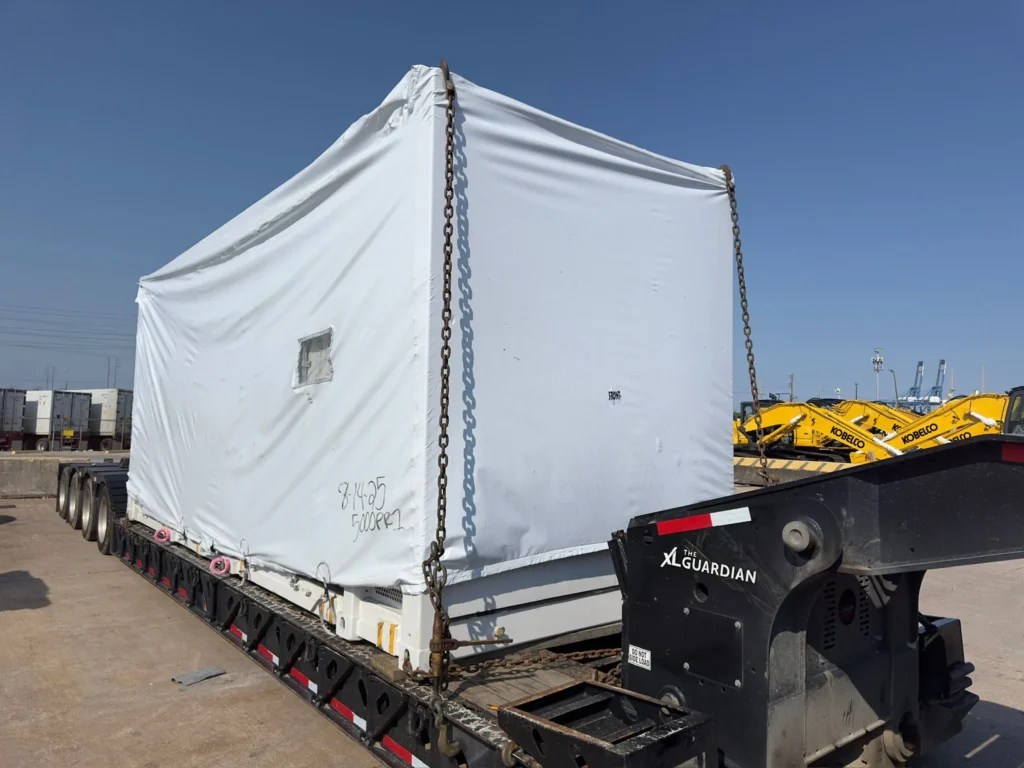
Heavy equipment transport for oilfield or construction machinery.
Trailer transport requiring specialized handling.
By tapping into a broker’s carrier network, businesses avoid the hassle of vetting drivers or managing dispatching. This makes brokers a cost-effective and efficient choice for domestic logistics.
When to Choose a Freight Forwarder in Houston
A freight forwarder is often the right partner if your shipments extend beyond U.S. borders. With Houston’s major port access, forwarders can handle:
International ocean and air freight.
Customs paperwork and clearance.
Consolidation of smaller shipments into one container.
While forwarders may come at a higher cost than brokers, their ability to streamline global supply chains is essential for companies with overseas operations.
Cost Considerations: Brokerage vs Forwarding
One of the biggest decision factors is cost:
Freight Brokers: Typically cheaper since they don’t handle warehousing or customs. Their fees usually come as a commission or flat service charge.
Freight Forwarders: More expensive due to the added services (storage, documentation, customs brokerage).
For businesses in industries like construction or energy where oversized equipment is common, brokers often offer the best cost-to-value ratio. For complex international logistics, forwarders may justify the higher expense.
Real-World Example: Heavy Haul in Houston
Imagine a construction company that needs to move a large crane within Texas. A freight broker would connect the company to a carrier equipped with lowboy trailers, handling permits, and route planning for oversized loads.
Now consider the same crane being shipped overseas. A freight forwarder would step in to arrange warehousing, port delivery, ocean transport, and customs clearance.
This shows how each solution has its place depending on destination and complexity.
Misconceptions About Brokers & Forwarders
Myth 1: They’re the same thing
Brokers and forwarders have different legal roles and responsibilities.Myth 2: Brokers can handle customs
Customs documentation falls under freight forwarders or licensed customs brokers, not standard freight brokers.Myth 3: Forwarders are always better
For domestic loads, a broker can often provide faster and more affordable solutions.
Choosing Between Freight Brokerage and Forwarding
When deciding between freight brokerage vs freight forwarding, ask yourself:
Is my shipment domestic or international?
Do I need warehousing or consolidation?
Is cost efficiency my top priority?
Does my cargo require specialized transport?
Businesses shipping heavy or oversized cargo within the U.S. often benefit most from brokers, while global supply chains demand forwarders’ expertise.
For a closer look at industry-specific insights, you might find our research on Houston freight brokerage & logistics companies valuable.
Ready to Partner with Houston’s Trusted Freight Experts?
At Freight Guru, we understand that every shipment comes with unique challenges — whether it’s heavy hauling, oversize and overweight transport, or coordinating with the right freight brokerage firms. Our team is here to provide customized logistics solutions that keep your freight moving safely, on time, and within budget.
👉 Don’t leave your shipping to chance. Partner with the experts who know the ins and outs of Houston freight brokerage.
📞 Contact us today through our Contact Page or explore our Freight Shipping Services to get started.
Conclusion
Both freight brokers and freight forwarders play critical roles in Houston’s logistics ecosystem. Brokers excel at domestic transport and cost savings, while forwarders specialize in international trade and full-service logistics.
By understanding the strengths of each, you can align your choice with your business goals, whether that’s efficiency in local heavy haul shipping or smooth handling of global imports and exports.