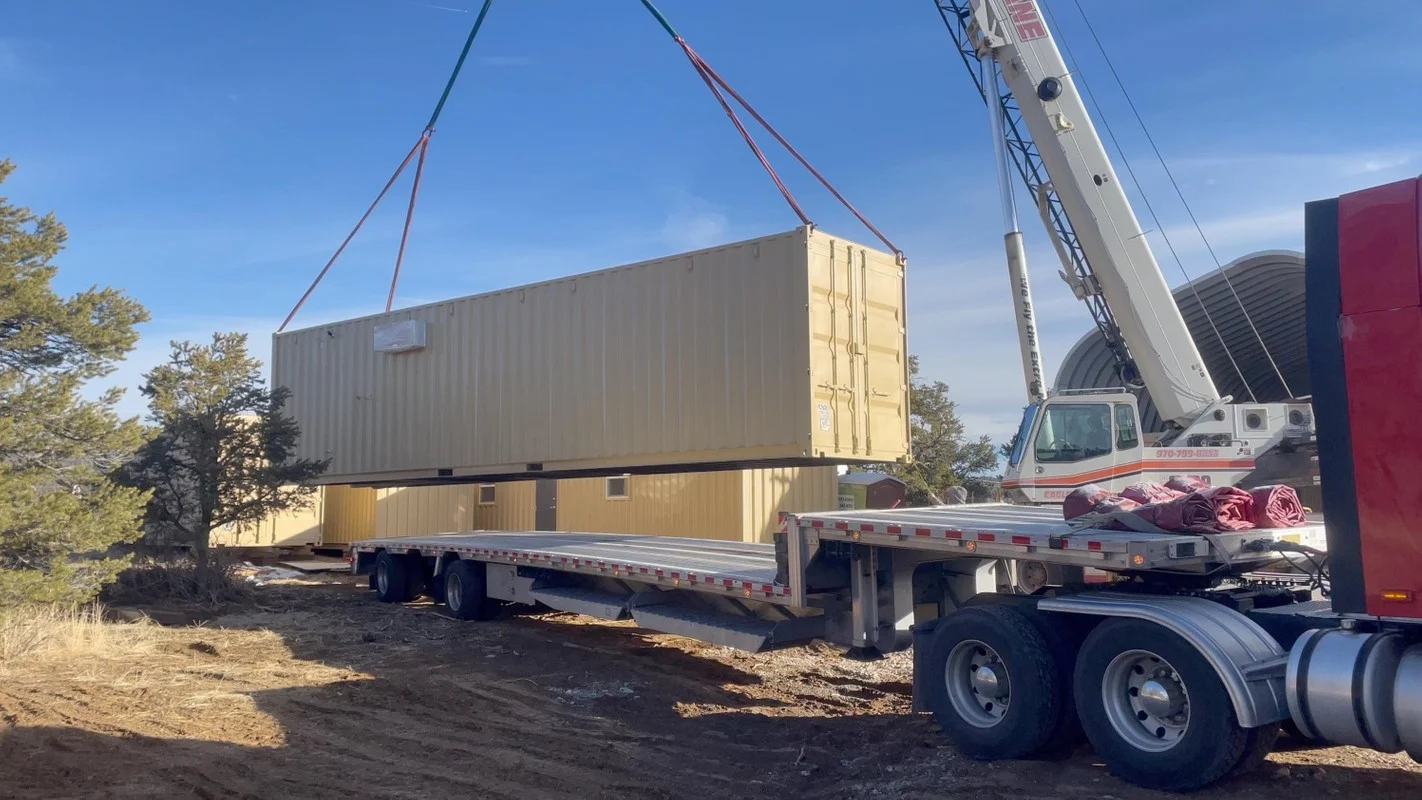
Introduction to Containerized Shipping
Containerized shipping has transformed global logistics by providing a safer, faster, and more efficient way to move goods of all sizes—from small consumer products to heavy industrial machinery. Whether transporting commercial goods, construction equipment, or specialized freight, businesses prefer this method for its reliability, cost-efficiency, and security.
In simple terms, containerized shipping is the process of loading cargo into standardized containers that can be sealed, tracked, and transported via different modes—truck, rail, and sea—without unloading the goods. This makes it a preferred option for businesses that rely on intermodal shipping and long-distance freight operations.
For heavy machinery, BESS units, or oil and gas components that require specialized freight handling, containerized methods are often combined with solutions discussed in Everything You Need to Know About Specialized Freight.
How Containerized Shipping Works
Containerized shipping follows a well-coordinated logistics process involving packing, loading, sealing, transporting, and delivery. This process not only ensures cargo safety but also improves overall freight efficiency.
Container Loading and Sealing Process
The journey begins when cargo is securely packed into dry, refrigerated, or flat rack containers depending on the freight type. Once loaded, containers are sealed to prevent tampering and protect the goods from weather, theft, and damage.
Multi-Modal Transportation: Road, Rail, and Sea
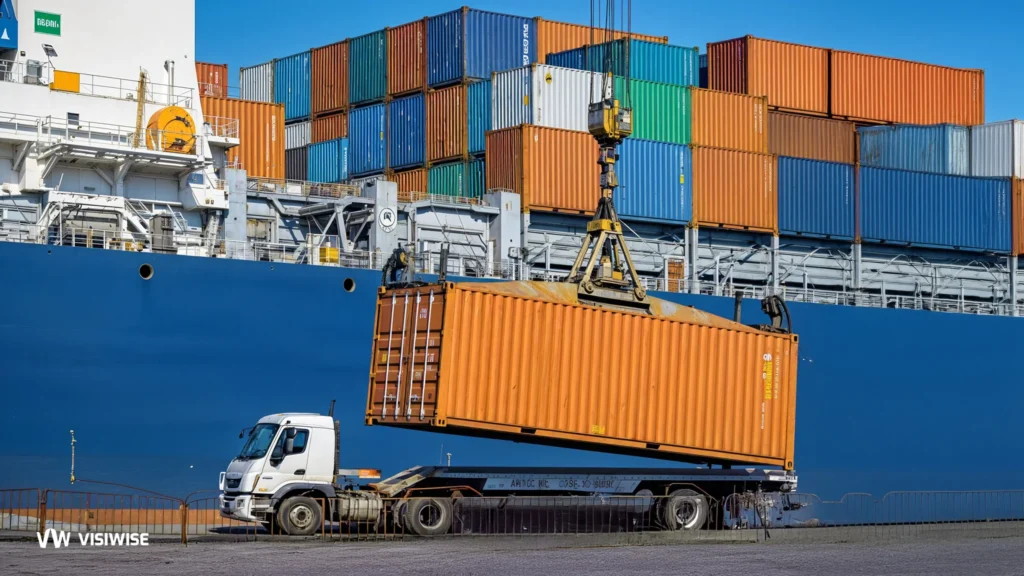
Containers are designed for smooth transfer between trucks, ships, and trains without unpacking the cargo. This is known as intermodal shipping, and it drastically reduces handling risks.
Why Flatbed, Heavy Haul, and Trailer Transport Matter
Not all containers can be moved using standard trucks. Some require flatbeds, lowboys, or specialized trailers—especially when dealing with oversized or bulky cargo. Freight operators often combine container methods with Heavy Hauling, Freight Shipping, and Trailer Transport to ensure safe and legal movement.
Key Benefits of Containerized Shipping
Containerized shipping stands out for its safety, versatility, and cost-efficiency—making it one of the most trusted freight transport solutions worldwide.
Enhanced Security and Cargo Protection
Sealed containers protect freight from theft, weather damage, and physical impact. They reduce the need for frequent handling, which is especially important for high-value or fragile cargo.
Cost Efficiency for Businesses
Businesses rely on containerized shipping to reduce loading time, labor, and handling risks. It accommodates large volumes of freight, making it ideal for bulk, industrial machinery, or raw material transport.
Many logistics companies use advanced brokerage services like those described in The Ultimate Guide to Freight Brokerage Services in Houston to minimize freight costs and optimize container loads.
Supports Intermodal and Long-Distance Transport
Containerized shipping is designed for global logistics, allowing seamless transfer between ships, trucks, and trains. This reduces downtime and provides better tracking and delivery updates.
Businesses shipping from Houston often leverage local expertise—learn more in Top Benefits of Choosing a Local Freight Broker.
Types of Containers Used in Freight Logistics
Choosing the right container is crucial for protecting cargo and ensuring cost-effective transportation.
Standard Dry Containers
These are the most used and ideal for general-purpose freight like textiles, consumer goods, packaged machinery, and electronics.
Refrigerated (Reefer) Containers
Designed for shipping temperature-sensitive freight like pharmaceuticals, perishables, dairy, and chemicals.
Open-Top & Flat Rack Containers for Heavy Equipment Transport
Industries that ship bulky machinery, heavy haul goods, or industrial equipment often use flat rack or open-top containers. They allow loading from the top or sides, making them ideal for Heavy Equipment Transport and oversized cargo.
To understand how these containers support large-scale construction or machinery transport, check out Everything You Need to Know About Heavy Haul Freight.
How Freight Brokers Help Optimize Containerized Shipping
Freight brokers are essential for planning, coordinating, and managing containerized freight—especially when dealing with complex loads.
Strategic Route Planning and Carrier Matching
Brokers analyze the nature of the cargo, identify the best transport mode, and match shipments with reliable carriers to ensure safety, compliance, and cost efficiency.
Managing Oversize & Overweight Container Loads
Moving containers that exceed dimensional or weight limits requires specialized permits, pilot vehicles, and compliance knowledge. Experienced logistics providers guide clients using solutions highlighted in Freight Brokers in Houston.
When businesses want personalized help, they often turn to services like Hire Freight Broker in Houston to ensure on-time and compliant freight delivery.
Local Expertise and Industry-Specific Solutions
Houston-based logistics experts understand port regulations, regional requirements, and specialized freight needs. That’s why many industries trust local professionals featured in Why Houston Businesses Trust Specialized Freight Brokers.
Containerized Shipping Costs: What Influences Pricing?
Containerized shipping costs vary based on several factors, such as freight size, weight, regulations, and equipment requirements.
Distance, Container Type, and Freight Complexity
Long-haul container transport costs depend largely on mileage, type of container used, and whether the shipment needs temperature control, extra safety, or specialized loading.
Oversize, Heavy Haul, and Specialized Transport Pricing
Cost increases when dealing with Oversize, Heavy Haul, or industrial shipments that need escorts, permits, or custom handling. Learn about trailer types required for heavy loads in Types of Heavy Haul Trailers.
How to Request an Accurate Freight Quote
Businesses looking for exact pricing should work with freight brokers to get a customized quote. You can easily get started with How to Request a Freight Quote or explore specialized pricing using How to Request a Specialized Freight Quote.
Industries That Rely on Containerized Shipping
Containerized shipping plays a vital role in multiple industries due to its flexibility, security, and compatibility with heavy haul and specialized freight requirements.
Oil & Gas, Construction, and Manufacturing
Industries like oil and gas, construction, and manufacturing frequently move heavy equipment, pipe segments, machinery, and chemicals—making containerized shipping their most reliable transportation method. The sealed container system ensures secure, weatherproof movement while complying with safety regulations.
When transporting drilling rigs or refinery components, businesses often combine container shipping with specialized logistics services. For instance, businesses in the energy sector benefit from solutions like Oil and Gas Transportation Specialized Freight Solutions.
BESS Units, CNC Machines, and Fragile Freight
High-value and delicate equipment, such as CNC machines, battery storage systems, or fragile electronics, require shock protection and enhanced packaging inside containers. Specialized solutions like Fragile Freight Shipping help protect sensitive cargo from vibration, climate changes, and loading impact.
Businesses transporting battery energy storage systems can explore safe handling methods in Why Battery Energy Storage System Shipping Requires Specialized Freight Services.
When Containerized Shipping Is NOT the Best Option
Although containerized shipping works well for most freight types, it may not be suitable for extremely large, long, or bulky cargo.
When Load Dimensions Exceed Container Limits
Cargo such as cranes, oversized construction machinery, wind turbine parts, or large prefabricated structures cannot fit into standard containers. Instead, they require flatbeds, heavy haul trailers, or RGN trailers.
To understand the right trailer selection for these shipments, refer to Types of Heavy Haul Trailers.
When Oversize & Overweight Permits Are Needed
Some items bypass container shipping to avoid unnecessary dismantling or repackaging. These shipments fall under Oversize & Overweight regulations and require direct specialized transport. Learn more in Oversize & Overweight.
How Freight Guru Makes Containerized Shipping Simple and Reliable
Freight Guru specializes in planning, managing, and executing containerized shipments across industries, including heavy haul, specialized freight, oil and gas, and manufacturing logistics.
Our freight experts assess cargo type, dimensions, handling requirements, and container configurations to ensure the safest and most cost-effective transport.
Freight Guru offers:
Expert routing, documentation, and permit management
Intermodal container logistics with trucking, rail, and ocean freight
Specialized handling for machinery, industrial tools, and temperature-sensitive cargo
Support for heavy haul, flatbed, and open-deck container solutions
If you’re looking for a trusted partner dedicated to delivering secure and on-time containerized shipments, explore our solutions at Freight Guru Specialized Services.
For inquiries or quotes, visit Contact Us or learn more about our approach on About Us.
Struggling to Find Reliable Freight Solutions?
Final Thoughts: Why Containerized Shipping Is Critical in Modern Logistics
Containerized shipping is one of the most efficient methods for moving freight safely across long distances—especially when handling heavy equipment, fragile cargo, or industrial goods. It supports multi-modal transport, reduces freight costs, and offers unmatched protection from environmental risks.
However, containerized methods aren’t always suitable for extremely large or specialized items. In such cases, direct Heavy Haul and Specialized Transport solutions provide better results.
Whether you’re shipping industrial components, CNC machines, or oil and gas equipment, Freight Guru ensures safe, efficient, and compliant freight delivery tailored to your cargo needs.
FAQs About Containerized Shipping
Containerized shipping is the method of transporting cargo in sealed, standardized containers for enhanced security, efficiency, and compatibility with multiple modes of transport such as trucks, rail, and sea.
Industries such as oil and gas, construction, manufacturing, energy storage, and machinery transport rely heavily on containerized shipping due to its safety, regulatory compliance, and ease of long-distance transport.
Containerized shipping is not suitable for extra-large, long, or bulky cargo that cannot fit inside standard container dimensions. These shipments are better suited to flatbed, heavy haul, or RGN transport.
The best way is by working with a freight broker who understands container types, regulations, and route planning. You can explore how to get accurate cost estimates via How to Request a Freight Quote.