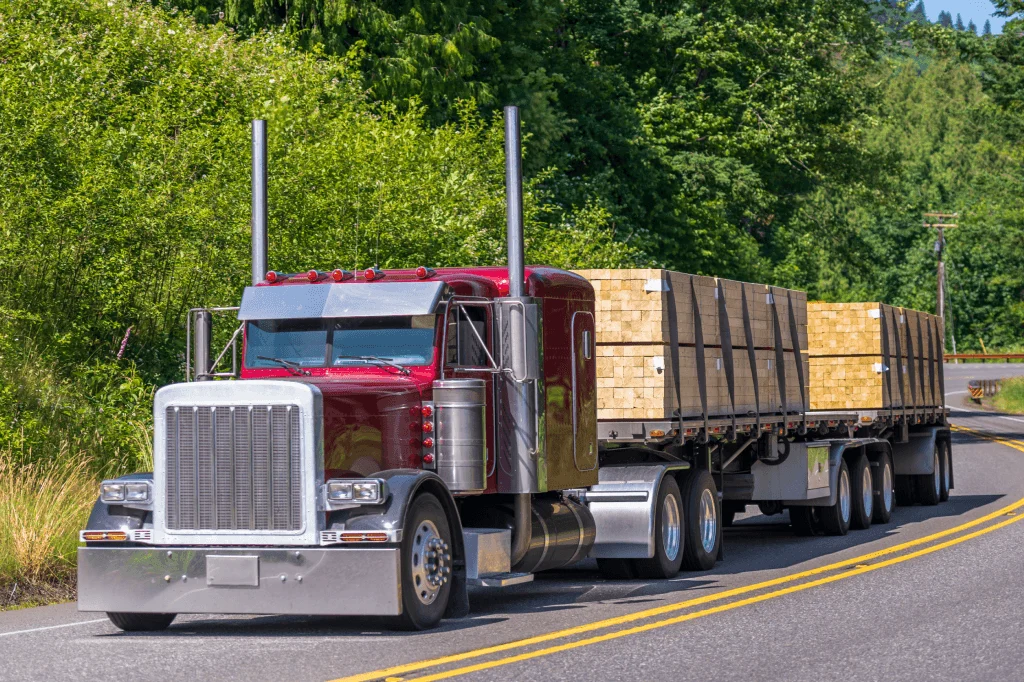
The Critical Role of Flatbed Trucking in American Infrastructure
Infrastructure is the backbone of economic growth, and every major project—whether it’s road construction, bridge building, energy development, or commercial site preparation—depends on timely and safe freight movement. Traditional shipping methods fall short when transporting large, irregular, or heavy machinery. This is where Flatbed Trucking Companies step in.
These specialized carriers make it possible to move oversized, heavy, or specialized freight that conventional trailers cannot handle. From steel beams and precast concrete to cranes, generators, and drilling equipment, flatbed freight services keep America’s infrastructure running efficiently. Without flatbed carriers, completing large-scale infrastructure work would be nearly impossible.
What Are Flatbed Trucking Companies?
Flatbed Trucking Companies specialize in transporting freight that doesn’t fit into enclosed trailers due to size, shape, or weight. Their open-deck design allows cargo to be loaded from any angle—making them ideal for moving structural steel, heavy machinery, industrial equipment, pipelines, and prefabricated components.
Many businesses rely on flatbed carriers for heavy haul and specialized shipments. If you’re new to flatbed freight or want to understand trailer capacities, compliance, and load weight, check the guide on what is flatbed freight and why 20-foot flatbed trailer weight matters to understand how dimensions and legal limits affect shipping.
In addition to transportation, most Flatbed Trucking Companies offer load planning, route analysis, safety management, and permit acquisition—which helps ensure secure, compliant, and cost-effective deliveries.
Why Infrastructure Projects Rely on Flatbed Trucking
Infrastructure development involves heavy, oversized, and non-standard freight. Flatbed Trucking Companies provide customized transport solutions capable of handling heavy machinery, construction materials, and specialized equipment with strict safety and compliance standards.
Handling Oversized, Overweight, and Non-Dimensional Loads
Standard trailers cannot transport bridge beams, industrial turbines, or fabricated steel without exceeding height or width limits. Flatbed trucks offer open loading, secure tie-down points, and crane access for safe and legal transport. To better understand the complexities of moving large industrial freight, the guide everything-you-need-to-know-about-heavy-haul-freight explains regulations, load types, and equipment used in heavy haul transport.
Flexibility and Access to Remote Job Sites
Infrastructure projects are not always located in urban areas—many happen in remote regions like quarries, oilfields, and construction zones. Flatbed trailers allow easier access and ground-level loading that traditional freight trailers cannot match. For specialized freight moving to energy or industrial locations, oil-and-gas-transportation-specialized-freight-solutions highlights how flatbed carriers navigate challenging locations with precision.
Transporting Heavy Equipment and Machinery
Large infrastructure projects often require cranes, excavators, oil rigs, forklifts, and drilling machinery—most of which must be transported using specialized flatbed trailers like step decks and RGNs. For industries like energy or oil and gas, the article oil-and-gas-rig-transport-how-to-ensure-a-safe-move provides detailed insights into securing and transporting heavy industrial machinery safely.
Types of Flatbed Trailers Used in Infrastructure Projects
Different infrastructure cargo requires different trailer types. Flatbed Trucking Companies determine the right trailer based on weight, dimensions, loading method, and route regulations.
| Trailer Type | Best For |
|---|---|
| Standard Flatbed | Steel beams, building supplies, lumber |
| Step Deck | Taller machinery, generators, compressors |
| Double Drop | Very tall or heavy equipment like BESS or transformers |
| RGN (Gooseneck) | Bulldozers, cranes, excavators |
Most heavy haul transport requires specialized equipment. For detailed information on each trailer and its use, the insight on types-of-heavy-haul-trailers explains the differences between RGNs, lowboys, double drops, and more.
Specialized Permits and Route Planning
Oversize and overweight cargo moves are regulated at federal and state levels. Flatbed Trucking Companies must coordinate permits, escort vehicles, route restrictions, bridge clearances, and timing regulations to ensure safe transportation.
When operating in Texas or the surrounding region, compliance becomes even more critical. The article texas-oversize-load-regulations explains width, height, axle weight, pilot escort, and permit requirements for specialized freight in Texas. Without effective planning, even small violations can lead to delays, fines, or accidents.
Flatbed specialists plan safe routes, avoiding low bridges, narrow roads, and construction zones to ensure legal and efficient transport.
Safety and Risk Management in Flatbed Trucking
Safety is a critical factor in every flatbed shipment. Since loads are fully exposed, they require strategic securement using chains, binders, tarps, and tie-downs. Professional Flatbed Trucking Companies follow FMCSA regulations to reduce risk and ensure road safety.
Load Securement and Compliance
Poorly secured flatbed cargo is a serious highway hazard. Carriers use heavy-duty equipment and follow safety protocols to minimize movement, protect against weather, and prevent load shifting. Regulations require safe fastening, protective covering, and compliance labeling for over-dimensional freight.
Why Specialists Matter
Handling specialized, heavy haul, and oversize loads requires skilled operators, certified drivers, and experienced freight brokers. The article why-oversize-load-transport-needs-specialist-brokers explains how experienced brokers reduce risk, manage permits, and ensure safety during complex transport operations.
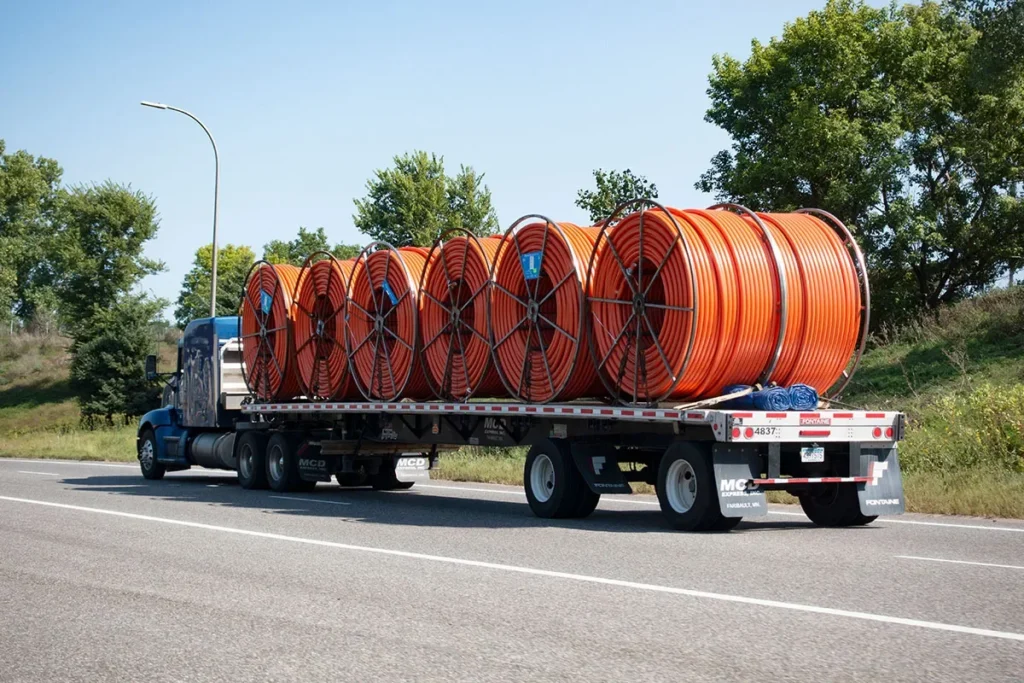
Flatbed Trucking vs. Traditional Freight Shipping
While traditional freight shipping works well for palletized goods, consumer products, and boxed cargo, it does not support oversized, irregular, or heavy industrial loads. This is where Flatbed Trucking Companies offer unmatched versatility.
Key Differences Between Flatbed and Dry Van Freight
| Factor | Flatbed Trucking | Dry Van / Standard Freight |
|---|---|---|
| Freight Type | Heavy, oversized, machinery, steel, construction materials | Palletized goods, consumer products, small loads |
| Loading Method | Crane, forklift, side or overhead loading | Dock loading from the rear |
| Weather Exposure | Exposed, uses tarps and coverings | Fully enclosed and protected |
| Permits Required | Often required for oversize/overweight cargo | Rarely required |
| Ideal Industries | Infrastructure, oil and gas, manufacturing, construction | Retail, e-commerce, packaged goods |
When handling complex loads, safety, permits, and legal compliance become essential. That’s why many shippers consult logistics experts for guidance. To understand how flatbed and forwarding brokerage compare, check freight-brokerage-vs-freight-forwarding-houston for expert insight into choosing the right partner.
Choosing the Right Flatbed Trucking Company
Not all carriers specialize in complex infrastructure freight. The right company must offer compliance expertise, specialized trailers, and experience with oversized projects.
Qualities to Look for in a Flatbed Carrier
Proven experience in heavy haul and oversize transport
Access to step-deck, double-drop, and RGN trailers
Knowledge of DOT regulations, permits, and routing restrictions
Trained drivers and load securement professionals
Coordination with freight brokers for multi-state logistics
Business owners seeking professional brokerage support can explore how to choose the right freight broker for your business to understand the importance of using experienced logistics partners.
If you’re shipping large infrastructure equipment in Texas, locating trusted professionals is critical. You can also refer to freight-brokerage-company-in-houston for help with local Houston-based brokerage services.
Why Freight Guru Is the Flatbed Partner for Infrastructure Projects
Freight Guru connects businesses with specialized carriers capable of handling complex infrastructure freight. Whether transporting oversized machinery, heavy haul construction materials, or specialized industrial loads, Freight Guru offers end-to-end support—from planning and permits to scheduling and safe delivery.
Freight Guru provides customized transportation solutions through:
Heavy Hauling – Reliable movement of large equipment and machinery.
Oversize & Overweight – Transport compliance, routing, and safety management.
Specialized Transport – Handling industrial, delicate, or highly technical freight.
Heavy Equipment Transport – Secure delivery of excavators, drilling rigs, cranes, and more.
Trailer Transport – Step decks, RGNs, double-drop, and lowboy trailer solutions.
Businesses across Houston and nationwide rely on Freight Guru for professional flatbed, heavy haul, and specialized brokerage services.
Struggling to Find Reliable Freight Solutions?
Conclusion
Infrastructure projects are the foundation of economic development—and without Flatbed Trucking Companies, these projects could not move forward. From transporting construction materials, wind turbine blades, and oil rigs to coordinating specialized routing and permits, flatbed carriers ensure safe and reliable logistics support for major operations.
As America expands its energy, transportation, and construction networks, flatbed freight solutions will continue to play a vital role in keeping development on track. Freight Guru can help you access the right flatbed carrier, route planning, and logistics expertise for any project—no matter how complex.
FAQs About flatbed trucking companies
Flatbed Trucking Companies handle heavy, oversized, and specialized loads such as machinery, structural steel, generators, precast concrete, wind turbines, and bridge components. These loads cannot be moved using standard freight trailers due to their size and weight.
Infrastructure projects require large equipment and construction materials to be transported to remote sites. Flatbed trucks offer the flexibility, strength, and loading access needed for transporting non-standard, oversized, and heavy loads safely.
Permits depend on the cargo’s dimensions, weight, and route. Oversize and overweight loads require state-specific permits, escort vehicles, route planning, and timing approvals from transportation authorities.
Flatbed carriers use chains, binders, tarps, and specialized securement tools to keep cargo stable during transit. They follow FMCSA securement guidelines, ensuring safe, compliant transport.
Flatbed trucking handles standard oversized freight, while heavy haul trucking specializes in extremely heavy or oversized cargo that may require special trailers, escorts, and permits.