When it comes to moving massive equipment or oversized cargo, choosing the right trailer can make all the difference between a smooth, safe transport and a costly mistake. Heavy haul trailers are engineered to handle extreme weights, unusual shapes, and oversized loads that exceed standard freight limits.
At Freight Guru, we specialize in connecting shippers with the ideal trailer type for their cargo, ensuring compliance with safety regulations and efficient delivery across Houston and nationwide.
Selecting the wrong trailer doesn’t just increase costs — it can also lead to route issues, permit complications, and even damage to your valuable equipment. That’s why understanding your trailer options is key.
If you’re new to heavy haul transport, start with our pillar guide — Everything You Need to Know About Heavy Haul Freight and Oversized Load Transport — to learn the fundamentals before diving into specific trailer types.
Understanding Heavy Haul Trailers and Their Uses
Heavy haul trailers are specialized platforms designed to carry oversized, overweight, or uniquely shaped cargo that can’t fit into standard trailers. From construction machinery and wind turbine blades to industrial tanks and drilling rigs, these trailers are built to move loads that demand extra strength and flexibility.
Unlike standard flatbeds, heavy haul trailers come with additional axles, lower decks, and extendable features to distribute weight evenly and meet state regulations. Each trailer type serves a distinct purpose, and choosing the right one depends on:
The cargo’s dimensions and weight
The distance and route
Permit and escort requirements
At Freight Guru, we handle every aspect of this process — from matching the trailer type to your shipment needs to arranging Specialized Transport solutions across multiple states.
If you’re planning a move within Texas, review our guide on Texas Oversize Load Regulations: A Complete Guide for Shippers and Carriers to understand the rules governing trailer selection and permits.
Types of Heavy Haul Trailers Explained
Not all trailers are created equal — and in heavy haul logistics, selecting the correct trailer ensures safety, compliance, and cost-efficiency. Here’s a breakdown of the most common heavy haul trailers used by professionals across the U.S.:
Flatbed Trailers
The standard workhorse of the industry, flatbed trailers are versatile and ideal for moderately oversized loads. They’re perfect for items like steel beams, lumber, or smaller construction equipment.
While flatbeds can carry tall or wide items, they may require permits if height or width exceeds legal limits.
Step Deck Trailers
Also known as drop deck trailers, these are designed to handle taller cargo that exceeds standard flatbed height limits. The lower deck allows loads up to 10 feet tall without special permits, making them perfect for taller machinery.
Double Drop Trailers
These trailers have a low center deck — or “well” — which allows them to carry extremely tall equipment like industrial generators or large excavators. They’re a common choice for Heavy Equipment Transport operations.
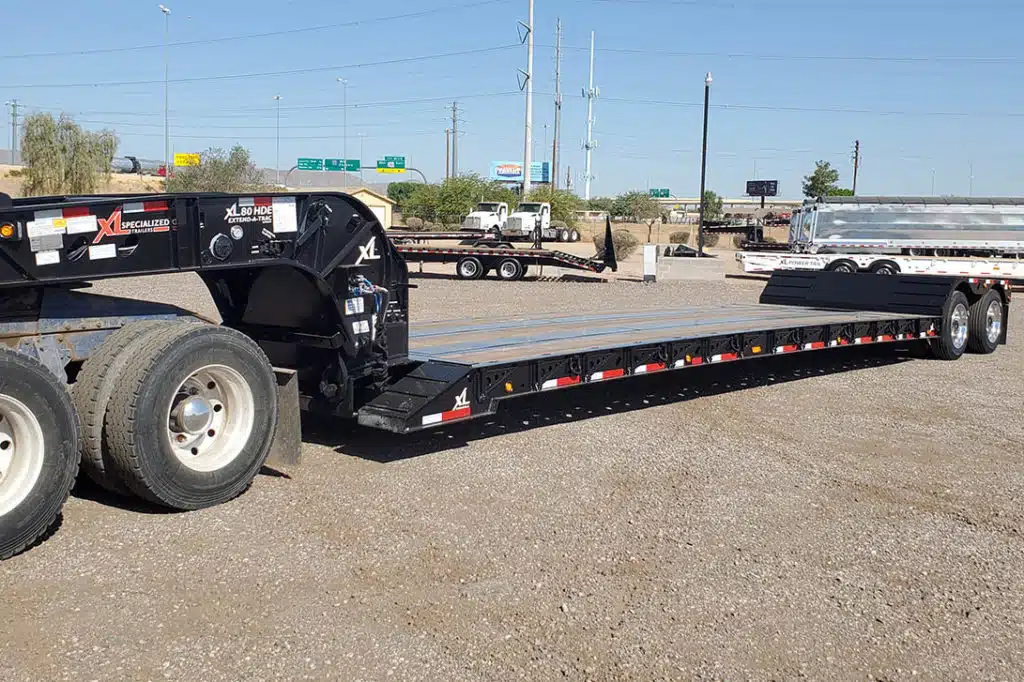
Extendable Trailers
Extendable or stretch trailers can lengthen to accommodate extra-long loads such as bridge beams or wind turbine blades. Their adjustable frame ensures the load remains balanced during long-distance hauls.
Lowboy Trailers
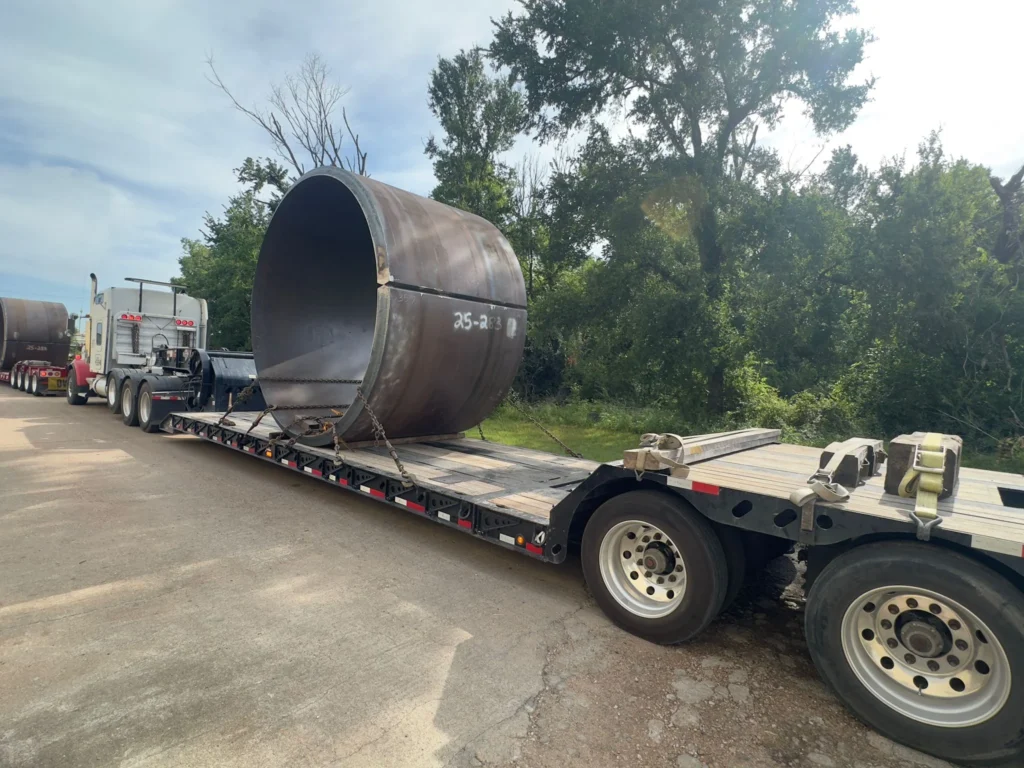
Lowboys are the go-to choice for heavy hauling. With a very low deck height and high weight capacity, they can move loads up to 12 feet tall and weighing up to 80,000 pounds or more.
For shipments requiring extra-heavy or tall equipment, explore our Heavy Hauling Services to learn how Freight Guru uses lowboys and multi-axle setups for efficient moves.
Multi-Axle and Hydraulic Trailers
These are specialized heavy haul trailers designed for “superloads” — cargo weighing hundreds of thousands of pounds. They use hydraulic systems for even weight distribution and better maneuverability, essential for extremely heavy industrial equipment.
Choosing the Right Trailer for Oversized Loads
Selecting the correct trailer depends on multiple factors — not just size or weight. An experienced logistics partner like Freight Guru evaluates:
Cargo dimensions and center of gravity
Route conditions (bridge clearances, turns, slopes)
Permit restrictions by state
Escort or pilot car requirements
For example, if your cargo is tall but not extremely heavy, a step deck trailer might suffice. But if your equipment is both tall and heavy, a lowboy or double-drop trailer will ensure safety and compliance.
Freight Guru’s logistics experts carefully assess your shipment and match it with the right heavy haul trailer type — ensuring efficient, secure transport.
For additional insight into how we coordinate these moves, check out How to Book Reliable Heavy Haul Transport in Houston, TX for step-by-step guidance on arranging a safe and compliant shipment.
Permits and Safety Considerations by Trailer Type
Each heavy haul trailer type carries unique safety and permit requirements. States like Texas have strict rules regarding load weight, height, and axle distribution — all of which vary by trailer configuration.
For instance:
Lowboy and multi-axle trailers require additional permits for extreme weights.
Extendable trailers may need escort vehicles for long loads.
Double drops and step decks must meet bridge and height clearance laws.
To remain compliant, Freight Guru handles the entire permitting process on your behalf. We coordinate with state agencies, arrange escort vehicles, and manage route surveys — ensuring your shipment moves safely from pickup to delivery.
Want to understand these rules better? Visit Texas Oversize Load Regulations: A Complete Guide for Shippers and Carriers for a breakdown of state-specific permit requirements.
Cost Factors When Selecting Heavy Haul Trailers
Not all heavy haul shipments cost the same — and much of that depends on the trailer you choose. Each trailer type affects pricing through:
Load weight and size – Heavier loads need more axles and permits.
Route complexity – Difficult routes or long distances increase cost.
Permit and escort fees – Required for oversized loads.
Trailer availability – Some specialized trailers, like hydraulic or multi-axle units, have higher rental rates.
To get a precise estimate, it’s best to request a detailed Freight Quote from Freight Guru. Our quotes include every necessary cost — permits, escorts, fuel surcharges, and equipment — so there are no surprises later.
By choosing the right trailer early in the process, you can optimize costs and prevent unnecessary delays.
Common Mistakes to Avoid When Choosing a Trailer
Even experienced shippers make errors when selecting heavy haul trailers, and these mistakes can lead to costly delays or compliance issues. Understanding what to avoid will save you time and money.
1. Underestimating Cargo Dimensions
One of the most frequent mistakes is guessing cargo size or weight. Even a few inches of difference can require a different trailer type or permit. Always measure precisely before requesting a quote.
2. Ignoring Axle Requirements
Each heavy haul trailer has specific axle configurations designed to distribute weight safely. Selecting a trailer with insufficient axles can violate state weight laws and risk penalties.
3. Overlooking Route Challenges
Some roads, bridges, and turns aren’t suited for certain trailer types. For example, long extendable trailers need careful route planning to avoid obstacles or tight corners.
4. Choosing the Cheapest Option
The lowest price doesn’t always mean the best value. Cheaper quotes may exclude critical services like permits, escort vehicles, or insurance — resulting in surprise costs later.
Freight Guru ensures none of these issues affect your transport. We combine accurate planning, compliance checks, and the right trailer type for every load. Learn more about our expertise in Why Choose Freight Guru for Professional Heavy Haul Services in Houston and Beyond to understand how we help clients avoid costly transport mistakes.
Freight Guru’s Trailer Options for Heavy Haul Transport
At Freight Guru, we take pride in offering a wide range of heavy haul trailers suited for all kinds of oversized and overweight shipments. Whether you’re moving a 10-ton bulldozer or a 100-foot-long bridge beam, we have the right equipment for the job.
Our Heavy Haul Trailer Fleet Includes:
Flatbed Trailers: For moderate-sized construction materials and machinery.
Step Deck and Double Drop Trailers: For taller, heavier freight.
Lowboy Trailers: Ideal for extremely heavy or tall cargo, like cranes and excavators.
Extendable Trailers: Perfect for long structural materials such as girders or turbines.
Multi-Axle and Hydraulic Trailers: Used for superloads requiring complex weight distribution.
Each shipment includes expert logistics support, permit handling, escort coordination, and route planning to guarantee smooth delivery.
Freight Guru provides end-to-end solutions that combine Heavy Hauling, Heavy Equipment Transport, and Specialized Transport under one roof — making us your trusted partner for all freight needs.
Struggling to Find Reliable Freight Solutions?
How to Get Started with Freight Guru
Booking the right heavy haul trailer for your shipment is simple with Freight Guru. We’ve streamlined the process so you can receive a transparent quote and confirmed schedule quickly.
Step 1: Request a Freight Quote
Start by visiting our How to Request a Freight Quote for Oversized and Heavy Haul Loads guide. Provide your load details — including dimensions, weight, pickup, and delivery points — for an accurate estimate.
Step 2: Expert Trailer Matching
Our logistics team reviews your cargo specifications and selects the most efficient trailer type, ensuring compliance with Texas Oversize Load Regulations and any required permits.
Step 3: Schedule and Track Your Shipment
Once approved, we handle permits, route planning, and real-time tracking. You’ll receive updates every step of the way until delivery is complete.
Need urgent shipping? Our Freight Shipping services also include expedited options to meet tight deadlines.
Conclusion: The Right Trailer, the Right Partner
Choosing the correct heavy haul trailer is essential to ensure your oversized or overweight shipment reaches its destination safely, efficiently, and legally. From lowboys and double drops to multi-axle hydraulic systems, each trailer serves a unique purpose — and Freight Guru’s experts know exactly how to match them to your cargo.
With a reputation for precision, safety, and reliability, Freight Guru is your trusted partner for heavy haul logistics in Houston and beyond.
Whether you need Trailer Transport, Heavy Hauling, or specialized equipment solutions, our team will guide you every step of the way.
📞 Ready to move your oversized load?
Visit our Contact Us page or request a custom freight quote today and experience the Freight Guru difference.
FAQs About Heavy Haul Trailers
The most common heavy haul trailers include flatbeds, step decks, lowboys, double drops, extendables, and multi-axle hydraulic trailers. Each is designed for specific cargo weights and dimensions.
You should consider your load’s weight, dimensions, and destination. Freight Guru’s team evaluates your shipment to select the most suitable trailer type for safe and compliant delivery.
Oversized loads require state-issued permits for height, width, or weight exceeding legal limits. Freight Guru manages all necessary permits and escorts for your shipment.
Costs vary based on trailer type, distance, permits, and escort requirements. You can get an accurate Freight Quote from Freight Guru to estimate pricing upfront.
Yes. While we’re based in Houston, Freight Guru provides nationwide heavy haul transport and logistics coordination across all U.S. states.