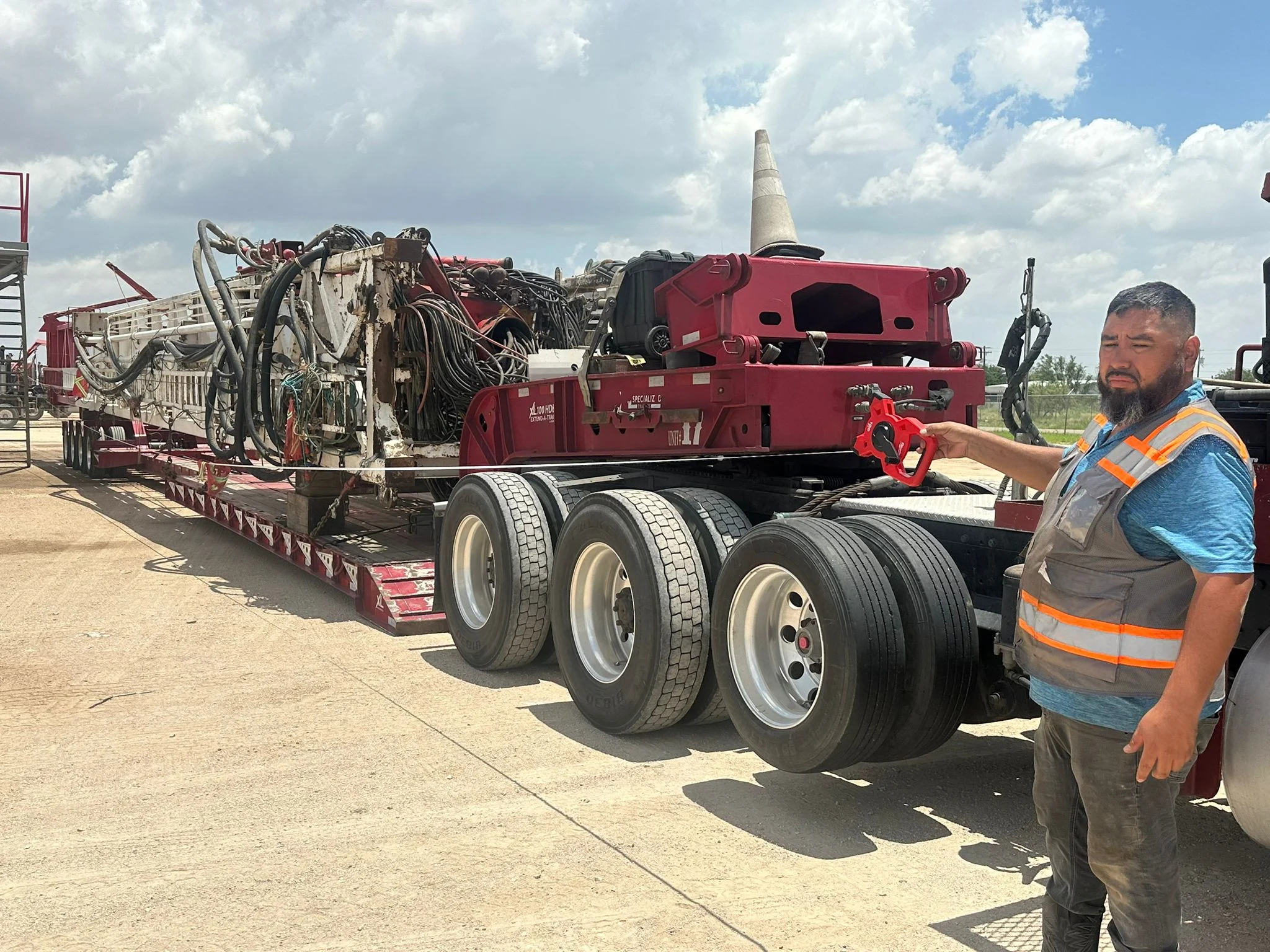
1. Introduction: Why Heavy Haul Freight Matters More Than Ever
In today’s rapidly evolving logistics landscape, heavy haul freight plays a vital role in keeping industries moving across the United States. From massive construction machinery and energy infrastructure to oversized industrial components, businesses rely on specialized transport solutions to move cargo that standard freight shipping simply can’t handle.
Unlike conventional freight, heavy haul shipping requires expert planning, specialized trailers, detailed route surveys, and strict compliance with state and federal regulations. Without the right partner, a single oversized load transport can quickly become a costly, time-consuming challenge.
That’s where Freight Guru comes in — we specialize in providing tailored heavy haul solutions that ensure safety, efficiency, and on-time delivery. Whether you’re moving a single piece of heavy equipment or coordinating multiple oversized shipments, our expertise in Heavy Hauling and Specialized Transport makes the entire process seamless from start to finish.
In this guide, we’ll cover everything you need to know about heavy haul freight — from regulations and permits to trailer types, planning strategies, and cost considerations — so you can confidently manage your next oversized shipment.
2. What Is Heavy Haul Freight? A Complete Definition
Heavy haul freight refers to the transportation of cargo that exceeds the standard legal size and weight limits defined for regular commercial trucking. Typically, freight is considered “heavy haul” if it meets or exceeds any of the following thresholds:
Weight: More than 80,000 pounds gross vehicle weight
Width: Over 8.5 feet wide
Height: Taller than 13.5–14 feet
Length: Longer than 48–53 feet
Any load that surpasses these limits is categorized as oversized or overweight and requires specialized equipment, permits, and routing procedures. These shipments are common in industries such as construction, oil and gas, wind energy, manufacturing, and heavy machinery production.
It’s also important to differentiate between related terms:
Oversized Freight: Exceeds legal size dimensions but may not exceed weight limits.
Overweight Freight: Surpasses the maximum allowable weight.
Over-Dimensional Freight: Exceeds both size and weight restrictions.
At Freight Guru, our team navigates the complex permitting and planning process for you. From handling Oversize & Overweight documentation to selecting the ideal trailer for your shipment, we make heavy haul logistics straightforward and stress-free.
Why Heavy Haul Shipments Require Specialized Brokerage Firms
Moving a standard palletized shipment is one thing; transporting a 50-ton excavator across Texas highways is another. Heavy haul shipments often exceed state size and weight limits, requiring special trailers, route planning, and sometimes even law enforcement escorts. Top freight brokerage firms in Houston bring specialized knowledge to ensure these oversized moves happen safely and legally.
When moving drilling rigs or construction equipment, consider working with a firm experienced in Heavy Hauling.
3. Common Types of Heavy Haul Freight
Heavy haul shipping supports some of the largest industries in the country. These shipments are critical to large-scale projects and infrastructure development that rely on safe, precise, and timely delivery. Some of the most common types of heavy haul freight include:
3.1 Construction Machinery and Equipment
Bulldozers, cranes, excavators, and other heavy-duty construction machines require specialized heavy equipment transport solutions. These items are often oversized and require careful loading, route planning, and escort vehicles for safe delivery.
3.2 Energy and Utility Infrastructure
Wind turbine components, oil drilling equipment, and power transformers often exceed standard dimensions and demand specialized heavy haul trailers and detailed route surveys.
3.3 Industrial Manufacturing Components
Large manufacturing presses, generators, boilers, and prefabricated modules frequently require oversized load transport due to their weight and size.
3.4 Modular and Prefabricated Structures
Prefabricated homes, bridge sections, and other modular structures are common heavy haul loads that need specialized handling and precise logistical coordination.
Freight Guru’s Heavy Equipment Transport services are designed to handle these complex shipments with precision and care — ensuring that even the largest cargo reaches its destination safely and on schedule.
4. The Heavy Haul Freight Process: Step-by-Step Guide
Shipping oversized and overweight freight isn’t just about loading a truck and hitting the road — it’s a detailed process involving planning, permitting, coordination, and execution. Here’s how Freight Guru simplifies each stage:
4.1 Planning & Assessment
The process starts with evaluating your cargo’s dimensions, weight, and destination. Our team conducts route assessments, checks bridge clearances, and identifies potential obstacles before transportation begins.
4.2 Permitting & Regulatory Compliance
Compliance with state and federal regulations is essential. We handle the necessary oversize load permits, escort vehicle coordination, and scheduling to avoid delays. Understanding these requirements is key — explore more in our guide to Texas Oversize Load Regulations.
4.3 Equipment Selection & Preparation
Choosing the right heavy haul trailer is crucial for safety and efficiency. We match your cargo with the ideal transport equipment to prevent damage and ensure secure loading.
4.4 Transport & Execution
Once loaded, the shipment is carefully monitored throughout the journey. Real-time tracking, communication, and route adjustments are part of our commitment to reliable heavy haul logistics.
4.5 Delivery & Final Unloading
On arrival, our team coordinates unloading and final placement, ensuring your cargo is delivered exactly where and how you need it.
Want a deeper dive into booking and planning your first heavy haul shipment? Check out our guide on How to Book Reliable Heavy Haul Transport in Houston, TX.
5. Regulations and Permits: What Shippers Must Know
Heavy haul freight is one of the most regulated sectors in the logistics industry — and for good reason. Oversized loads require specialized planning to ensure road safety, protect infrastructure, and comply with federal and state laws.
5.1 Federal and State Size and Weight Limits
While federal law sets baseline standards, each state enforces its own size, weight, and permit requirements. Violating these regulations can result in costly fines, delays, and even shipment seizures.
5.2 Oversize Load Permits
Permits are mandatory for any oversized or overweight load. These documents specify the approved route, travel times, and any escort or signage requirements. In many states, oversized freight can only travel during daylight hours and must avoid holidays or peak traffic periods.
5.3 Pilot and Escort Vehicles
Many states require escort vehicles for heavy haul shipments that exceed certain size thresholds. These vehicles alert other drivers and help ensure safe navigation through intersections, bridges, and turns.
5.4 Texas-Specific Requirements
In Texas, oversize load regulations can vary by county and roadway. Working with experts like Freight Guru ensures you remain compliant and avoid delays. To better understand the legal landscape, explore our detailed resource on Texas Oversize Load Regulations.
With years of experience managing permits and compliance, Freight Guru takes the guesswork out of heavy haul logistics, letting you focus on your business instead of paperwork.
6. Heavy Haul Trailers and Equipment: Choosing the Right Setup
Selecting the right trailer is one of the most critical decisions in any heavy haul shipment. The correct setup ensures safety, regulatory compliance, and cost efficiency. At Freight Guru, we provide a range of specialized trailer options to match every oversized and overweight load:
6.1 Lowboy Trailers
Ideal for tall and heavy cargo, lowboys offer a lower deck height, which helps accommodate taller loads while staying within height restrictions.
6.2 Step Deck Trailers
Also known as drop deck trailers, these are versatile and can handle tall cargo while providing easy loading and unloading.
6.3 Double Drop Trailers
These trailers offer an even lower center deck, making them perfect for extremely tall and heavy equipment transport.
6.4 Extendable Trailers
For cargo that exceeds standard length limits, extendable trailers offer the flexibility needed to transport long loads safely.
Each trailer type comes with its own capacity and dimensional considerations, and choosing the right one depends on your specific cargo. For more insight into trailer types and their uses, visit our blog on Types of Heavy Haul Trailers.
Freight Guru’s Trailer Transport service ensures your shipment is matched with the ideal equipment — delivering the highest standards of safety, efficiency, and reliability in heavy haul freight.
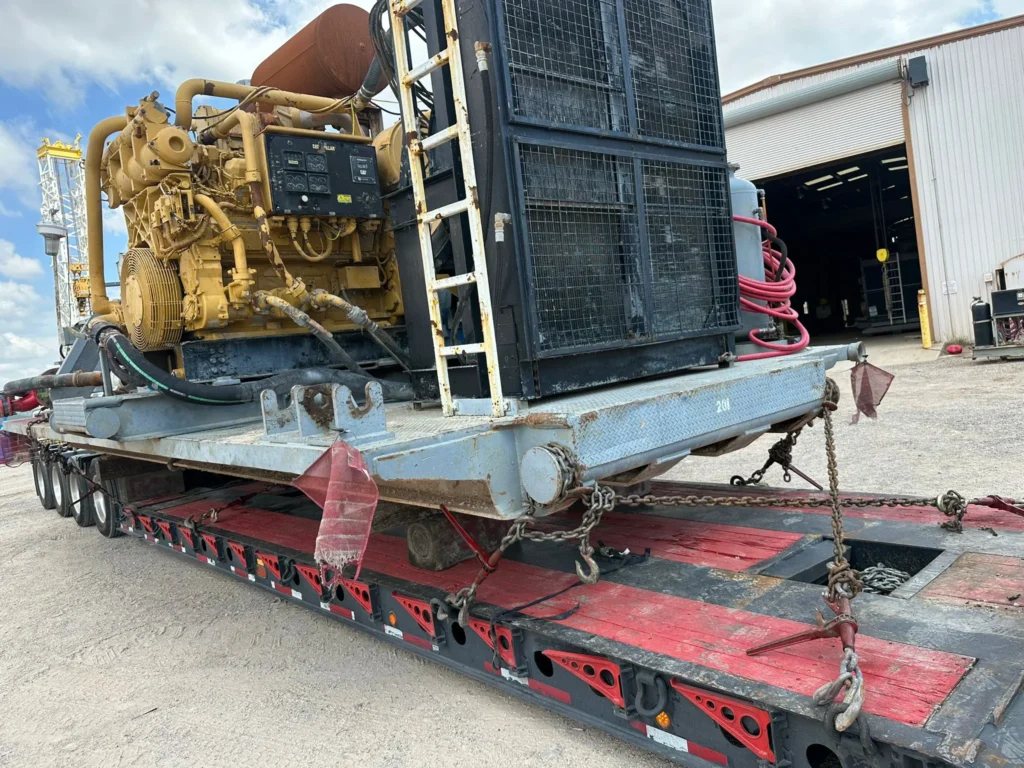
7. Planning a Successful Heavy Haul Shipment
Successful heavy haul freight transportation begins long before the truck hits the road. It requires detailed planning, coordination, and execution to ensure safety, efficiency, and regulatory compliance. Whether you’re a shipper moving heavy equipment for the first time or a logistics manager overseeing regular oversized shipments, following a structured plan is essential.
7.1 Conduct a Detailed Route Survey
Before moving any oversized load transport, logistics teams must analyze the route to ensure it can accommodate the shipment’s size and weight. Factors such as bridge clearances, road width, turning radii, and construction zones must be considered. In some cases, alternate routes or temporary infrastructure modifications may be necessary.
7.2 Account for Seasonal and Environmental Factors
Weather plays a significant role in heavy haul logistics. Rain, snow, and high winds can impact travel times and safety. Additionally, seasonal restrictions — such as frost laws in colder regions — may dictate when and how heavy freight can move.
7.3 Ensure Effective Communication
Clear communication between shippers, carriers, drivers, and permit authorities is crucial. Coordinating schedules, permits, and escort vehicles minimizes risks and ensures timely delivery.
7.4 Partner with Experienced Heavy Haul Brokers
Partnering with a specialized freight broker can dramatically simplify the process. Brokers handle permits, equipment sourcing, and route planning — ensuring every step is managed by experts. Learn how Freight Guru supports complex projects in our guide to Heavy Haul Freight Broker Services in Houston.
8. Cost Factors for Heavy Haul Freight
Because heavy haul shipping involves specialized equipment, regulatory compliance, and detailed planning, it’s naturally more expensive than standard freight transport. However, understanding what drives these costs can help you budget effectively and even reduce expenses.
8.1 Distance and Route Complexity
Longer hauls require more fuel, driver time, and potential permits — all of which add to the cost. Additionally, routes that require detours or infrastructure considerations can increase expenses.
8.2 Permits and Escort Vehicles
Most oversized and overweight loads require state permits, which vary in price. In some cases, escort or pilot vehicles are necessary — adding to total project costs but ensuring safety and compliance
8.3 Equipment Selection
Specialized heavy haul trailers and lifting equipment are more expensive to operate. Choosing the right trailer type — as discussed in Types of Heavy Haul Trailers — can significantly affect cost and efficiency.
8.4 Cargo Value and Insurance
High-value cargo requires additional insurance coverage. While this increases cost, it provides essential financial protection for shippers.
💡 Pro Tip: Partnering with an experienced logistics provider like Freight Guru can help reduce costs through optimized routing, permit management, and expert equipment selection. If you’re planning a shipment, start by requesting a freight quote to understand pricing upfront.
Struggling to Find Reliable Freight Solutions?
9. Benefits of Partnering with a Heavy Haul Freight Expert
Attempting to manage heavy haul logistics on your own can be overwhelming. From permits and equipment sourcing to route planning and risk mitigation, every detail matters. That’s why partnering with a trusted heavy haul freight company like Freight Guru offers significant advantages.
9.1 Expertise in Permits and Compliance
Navigating the maze of oversize load permits and state-specific regulations is complex. Our team handles all documentation and compliance requirements — so you never risk delays or fines.
9.2 Access to Specialized Equipment
We operate a wide range of heavy haul trailers and equipment to match your shipment’s unique needs, ensuring safe loading, secure transport, and on-time delivery.
9.3 Route Optimization and Risk Reduction
Freight Guru leverages advanced logistics planning to identify the safest, most cost-effective routes. This not only minimizes risk but also reduces fuel consumption and transit time.
9.4 End-to-End Logistics Support
From initial consultation to final delivery, we manage every stage of the process — offering real-time updates and expert support every step of the way.
When it comes to oversized load transport, having the right partner can make the difference between a smooth, on-time delivery and a costly logistical nightmare. Learn more about why companies trust us in Why Choose Freight Guru for Professional Heavy Haul Services in Houston and Beyond, or contact our team to discuss your next project.
10. Conclusion: Streamline Your Oversized Shipping with Freight Guru
Transporting heavy haul freight is a complex but essential part of modern logistics — powering industries like construction, energy, and manufacturing. From oversized load permits and specialized trailers to route planning and final delivery, every step requires expertise and precision.
At Freight Guru, we simplify the process. Our team handles the heavy lifting — including Heavy Hauling, Specialized Transport, and Trailer Transport — ensuring your cargo arrives safely, efficiently, and on schedule.
Ready to move your next oversized or overweight shipment? Contact us today to discuss your project or request a custom freight quote. With Freight Guru by your side, you can ship with confidence — no matter how heavy or complex the load.