
Flatbed freight shipping is a cornerstone of heavy haul logistics. Whether you’re moving construction materials, industrial equipment, or oversize loads, choosing the right flatbed trailer and understanding the logistics involved can make or break the efficiency and safety of your transport. In this post, we’ll cover the five most important considerations when planning flatbed freight shipping — with insights from our experience at Freight Guru.
1. Choose the Right Trailer Type for Your Load
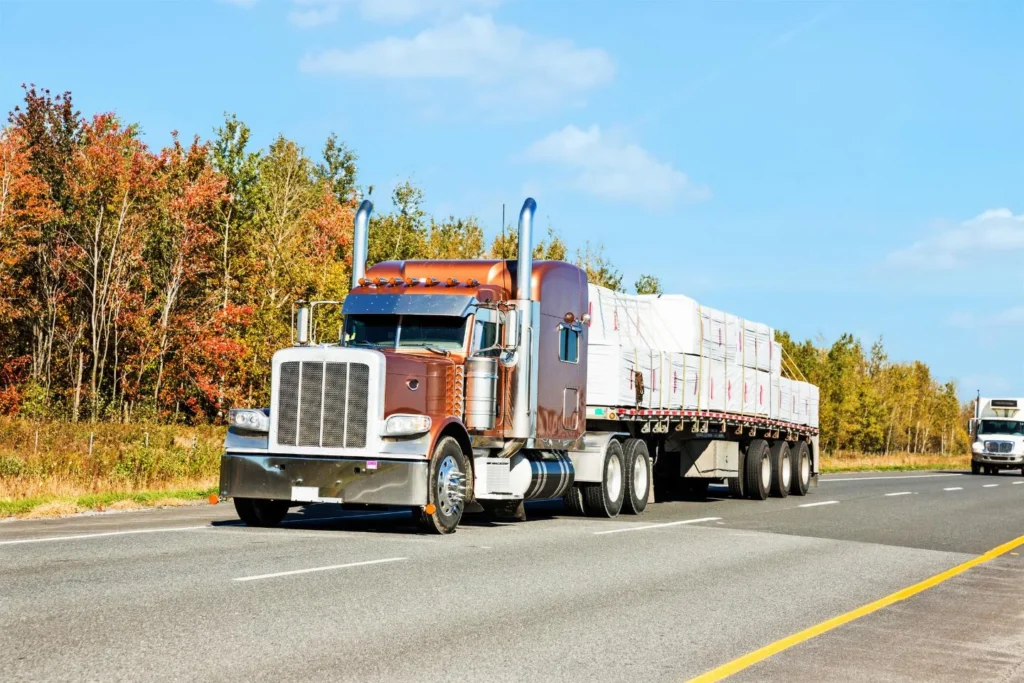
One of the first and most critical steps in flatbed freight shipping is selecting the correct type of trailer. The right trailer ensures safety, legal compliance, and cost-efficiency.
Common Trailer Options in Flatbed Freight:
Standard Flatbed: Best for loads that are under 8.5 feet wide and 8.5 feet tall. This is the most commonly used trailer.
Step Deck Trailer: Designed for taller cargo that exceeds the standard flatbed height limit. These allow for a lower deck to increase vertical clearance.
Conestoga Flatbed: Ideal for loads that need protection from the elements without sacrificing loading access. Conestoga trailers feature a retractable tarp system.
Understanding flatbed trailer dimensions is crucial when determining which trailer suits your freight. For example, a typical step deck trailer offers a lower deck height, making it suitable for tall machinery or equipment.
If you’re transporting heavy equipment, you may also want to explore our Heavy Equipment Transport service.
2. Account for Weight Limits and Legal Compliance
Freight regulations vary from state to state, and knowing the flatbed trailer weight limits is essential to staying within the law.
Key Points on Trailer Weight:
Standard flatbeds can usually carry up to 48,000 lbs.
Step deck trailers and RGN (removable gooseneck) trailers are often used for loads exceeding that weight.
Overweight shipments may require special permits and escort vehicles, especially if your load is also oversized.
At Freight Guru, we specialize in Oversize & Overweight freight and handle the permit process so you don’t have to.
3. Understand Flatbed Trailer Dimensions and Load Planning
Before you schedule a shipment, make sure your team is clear on load dimensions. This includes height, width, length, and weight.
Why Dimensions Matter:
An error of even a few inches can require a different trailer, additional permits, or a revised route.
Exceeding legal width (typically 8.5 ft) or height (13.5 ft) means your load is oversize, triggering more compliance hurdles.
Incorrect measurements are one of the most common causes of delays and unexpected charges in flatbed freight shipping. Our Heavy Hauling experts help clients avoid those pitfalls by pre-verifying all dimensions before quoting and dispatch.
4. Secure Your Load Properly — It’s a Safety Must
Improperly secured flatbed freight is dangerous and illegal. FMCSA regulations require that all loads be tightly fastened and checked for movement before transport.
Load Securement Essentials:
Use chains, straps, edge protectors, and tarps based on cargo type.
High-risk freight such as machinery, steel coils, or construction beams may need specialized tie-down methods.
Conestoga flatbeds reduce the need for tarps and protect against weather-related damage.
Not sure how your freight should be secured? Our team ensures all shipments meet DOT standards and can advise on the best practices based on freight type.
For additional specialty cargo handling, see our Specialized Transport services.
5. Plan for Routing, Permits, and Delivery Timing
Flatbed freight shipping isn’t just about putting cargo on a trailer — routing and timing are just as critical, especially for heavy haul loads.
Considerations Include:
Bridge weight limits and low-clearance roads
State-by-state permit rules for oversize and overweight shipments
Required escort vehicles and travel-hour restrictions
Delivery windows that match site access or crane availability
If you’re managing a construction or energy project, on-time delivery is essential. Delays can result in idle crews or missed milestones. Our Freight Shipping service is built to deliver reliable results even under strict schedules.
Why Flatbed Freight Shipping Shouldn’t Be Handled by Amateurs
Too often, businesses hire brokers or carriers who don’t specialize in heavy haul or flatbed freight, leading to:
Delayed deliveries
Overweight fines
Damaged equipment
Ballooning freight costs
As shared in our blog post The High Cost of Inexperience, inexperience can cost thousands and damage reputations.
Choose a partner like Freight Guru who lives and breathes flatbed freight shipping and knows how to move your cargo — the right way.
Why Choose Freight Guru?
Freight Guru isn’t just another freight brokerage company. We’re flatbed shipping experts based in Houston and serving clients nationwide in the construction, energy, and manufacturing industries.
✅ Accurate quoting
✅ Load planning and compliance
✅ Real-time support
✅ Nationwide reach with specialized carriers
Explore our full list of Freight Services or Contact Us to request a custom quote.
Conclusion
Flatbed freight shipping is essential for moving large, heavy, or irregular loads safely and efficiently. But without the right knowledge, trailer choice, or permitting, it can become a logistical nightmare.
By focusing on the five key areas — trailer type, weight compliance, dimensions, securement, and routing — you’ll be better prepared to move your freight without delays, fines, or damages.
Work with Freight Guru to move your heavy haul with confidence.